 ASK WHY, GUYS
Every story starts
with why.
Search the companies, products, policies, and decisions we have investigated. Every story has a permanent home here.
 024READ ↗
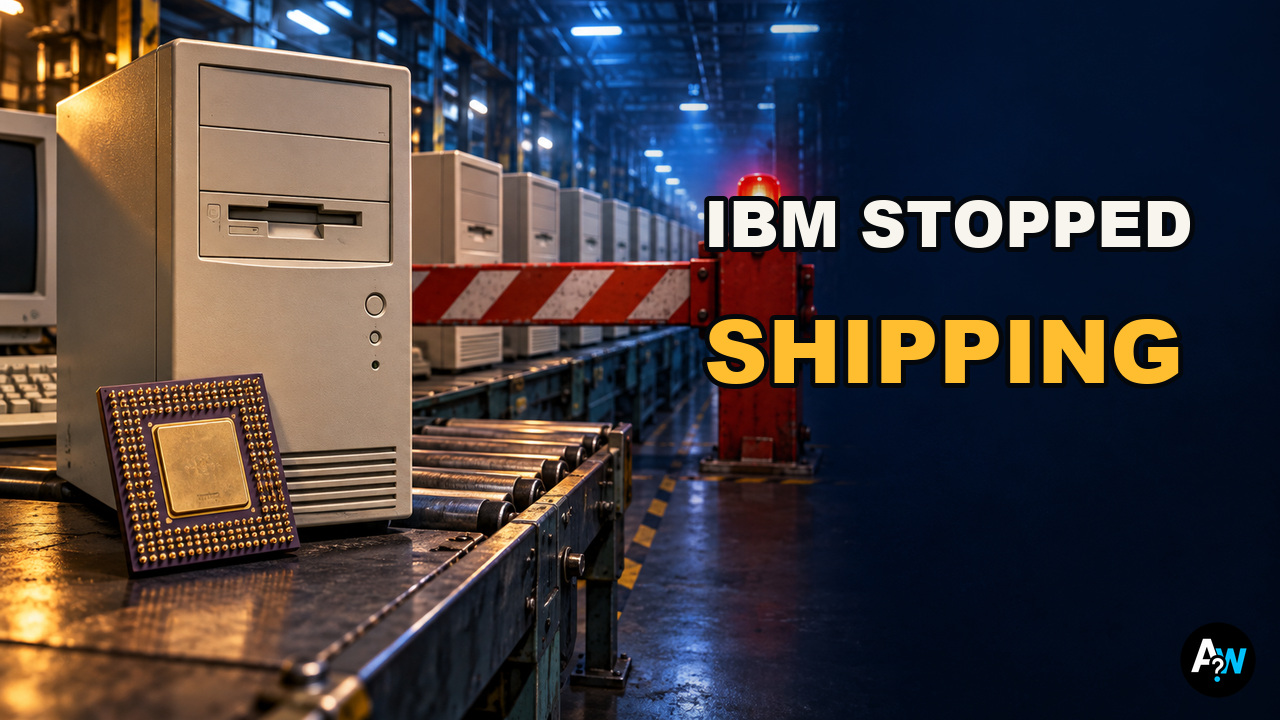
Why Did One Tiny Math Error Cost Intel $475 Million?
A rare Pentium division flaw became a $475 million accounting charge after Intel's needs-based replacement policy collided with customer trust and IBM halted shipments.
 023READ ↗
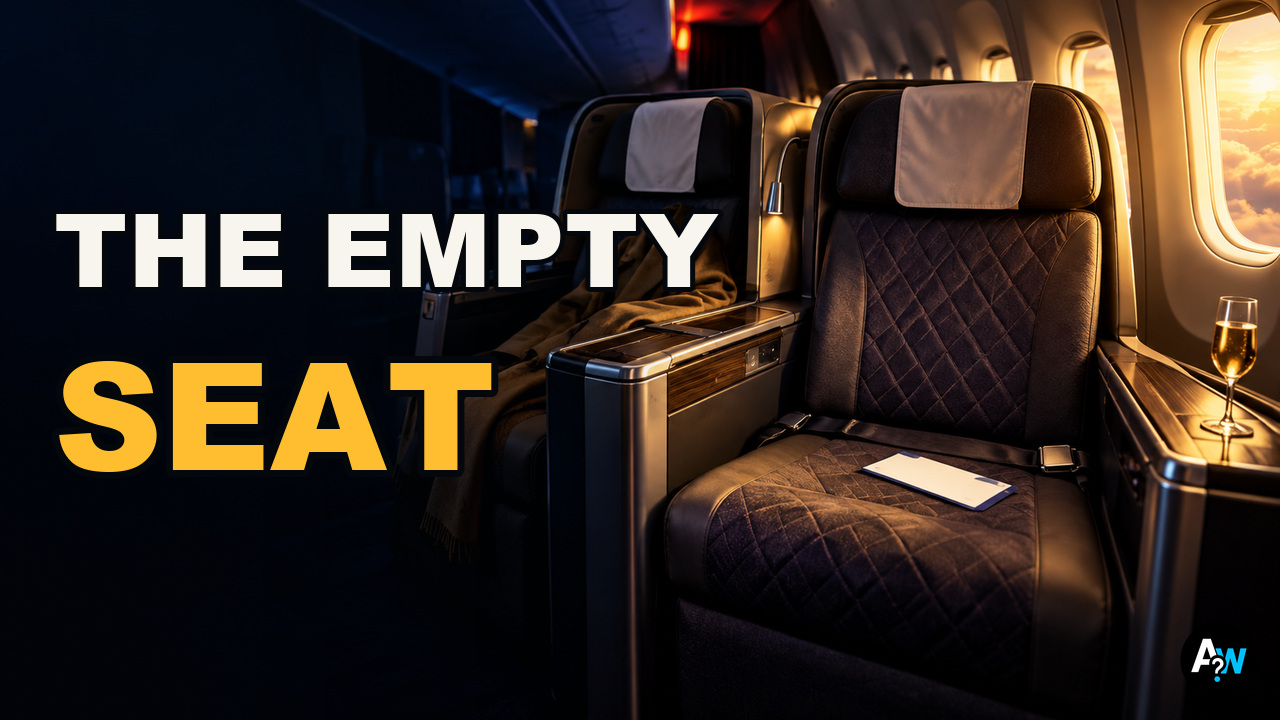
Why Did American Airlines Cancel Unlimited Flight Passes It Sold for Life?
American's cost review put its heaviest lifetime-pass users under scrutiny, but a contract clause—not the price of unlimited travel—decided whether one famous pass could be revoked.
 022READ ↗
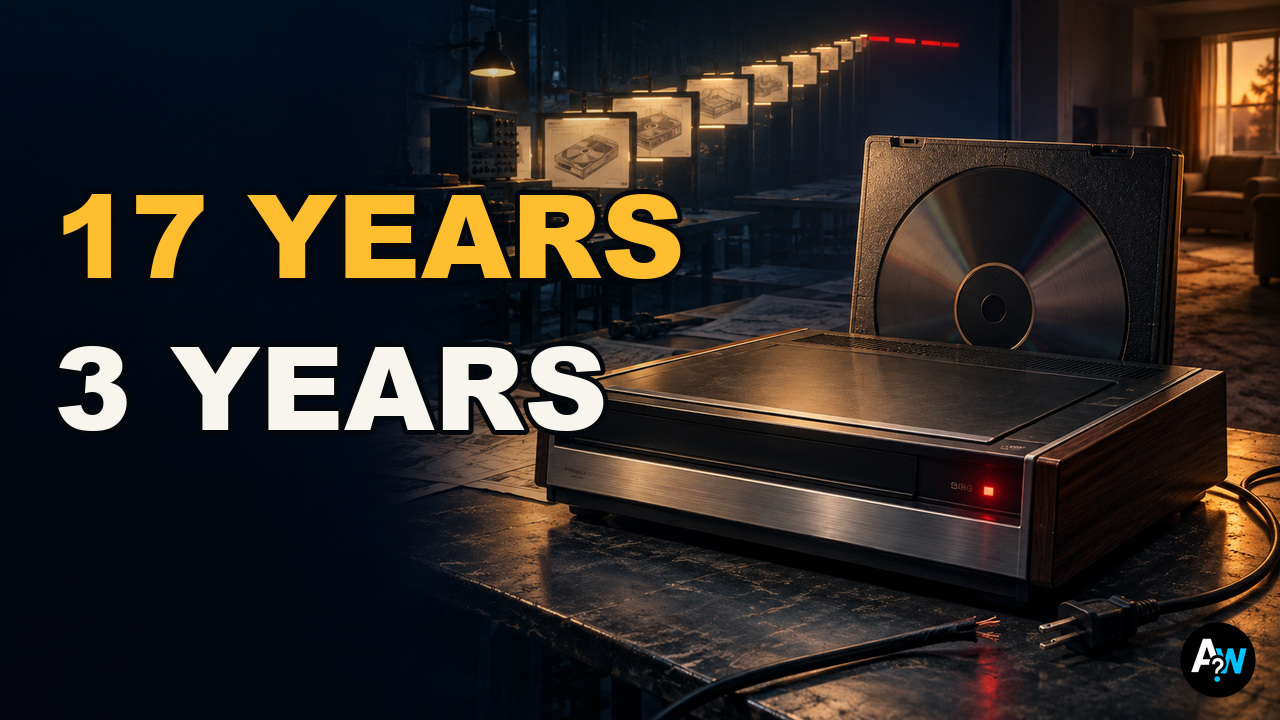
Why Did RCA Spend 17 Years Building a Video Player It Killed Three Years After Launch?
RCA spent 17 years developing an affordable play-only video-disc system, but falling VCR prices and tape rentals erased its advantage within three years of launch.
 021READ ↗
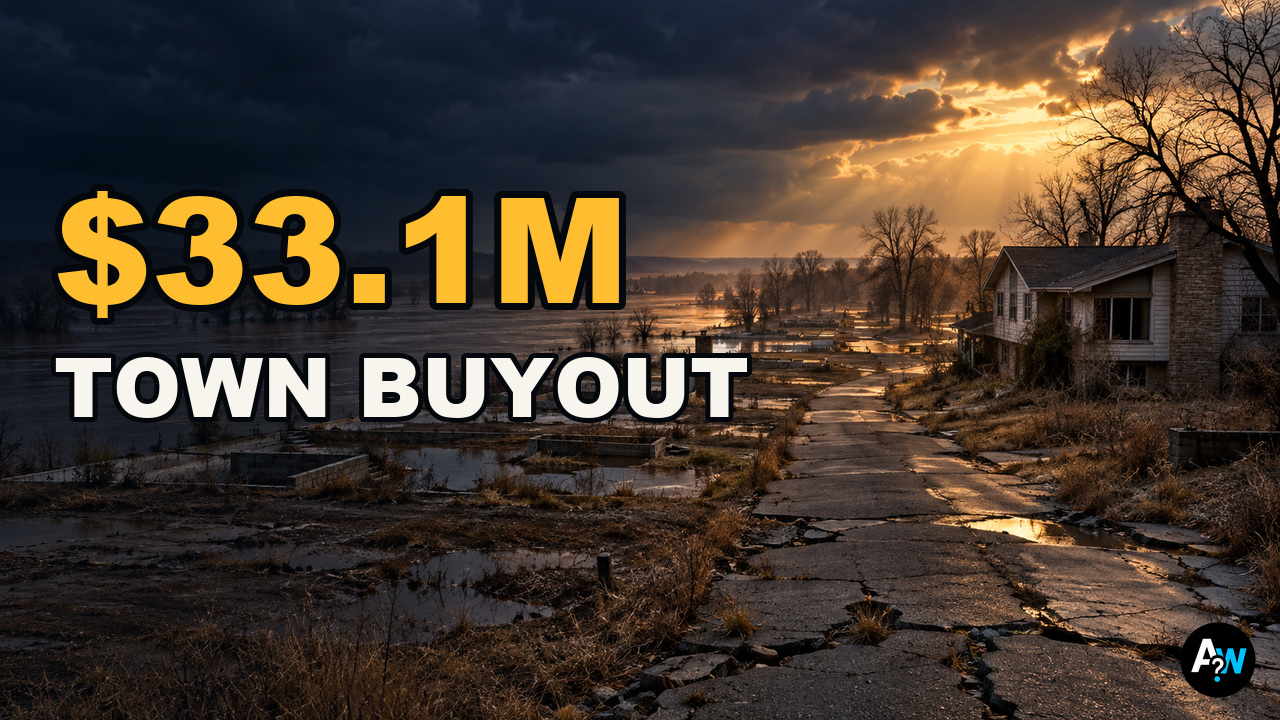
Why Did the Government Buy and Demolish the Entire Town of Times Beach?
Dioxin-contaminated roads, a record flood, and recurring flood risk led authorities to relocate Times Beach permanently and clean the former town for controlled public use instead of housing.
 020READ ↗
Why Did JCPenney Lose Nearly $1 Billion After Killing Coupons?
JCPenney removed familiar bargain signals while changing prices, marketing, merchandise, and stores; its nearly $1 billion loss from continuing operations reflected the broader transformation, not coupons alone.
 019READ ↗
Why Did FedEx Spend Hundreds of Millions Delivering Faxes by Hand?
Federal Express built ZapMail to defend its urgent-document business, but courier legs and proprietary equipment left it exposed to direct faxing while demand and rental revenue fell short.
 018READ ↗
Why Did Netflix Announce Qwikster—Then Kill It Three Weeks Later?
Netflix tried to separate its DVD and streaming businesses through a second brand and website, then reversed course when the plan compounded customer frustration after a major price increase.
 017READ ↗
Why Did Mercedes Recall Its Brand-New A-Class After One Magazine Flipped It?
A fully loaded A-Class overturned during a Swedish magazine’s emergency lane-change test, pushing Mercedes to suspend deliveries and rebuild the car’s dynamics package.
 016READ ↗
Why Was Kodak Forced to Abandon 16.5 Million Instant Cameras?
A patent injunction ended Kodak’s U.S. instant-camera and film system, leaving roughly 16.5 million cameras and owners without a continuing supply of matching film.
 015READ ↗
Why Was Iridium’s $5 Billion Satellite Network Sold for Just $25 Million?
Iridium separated a still-useful satellite network from a failed mass-market business model, letting a bankruptcy buyer rebuild it around customers who needed remote coverage.
 014READ ↗
Why Did 3M Put a Financially Healthy Company Into Bankruptcy?
Aearo entered Chapter 11 to consolidate nearly a quarter-million earplug claims, but the court dismissed the cases because the debtor was healthy and fully backed by 3M.
 013READ ↗
Why Did Eurotunnel Stop Paying Its Banks After the Channel Tunnel Opened?
The engineering worked, but delayed revenue and roughly £8 billion of debt left the tunnel’s operator unable to keep paying its banks.
 012READ ↗
Why Did the London Metal Exchange Cancel $12 Billion in Trades?
A historic nickel squeeze threatened the market’s clearing system, forcing the exchange to choose between completed trades and immediate survival.
 011READ ↗
Why Did One Extra Letter Bankrupt Taylor & Sons?
A mistaken insolvency notice was corrected quickly, but copied commercial data moved faster—and the wrong company lost its credit and customers.
 010READ ↗
Why Did Boeing Pay $4.7 Billion to Buy Back Its Own Supplier?
Boeing sold critical factories, remained operationally dependent on them, and later paid billions to bring Spirit AeroSystems back inside the company.
 009READ ↗
Why Did Peloton Refuse to Recall a Treadmill That Killed a Child?
Peloton challenged a federal safety warning, then recalled roughly 125,000 Tread Plus machines and admitted its response was a mistake.
 008READ ↗
Why Did Trying to Sell Bumble Bee Expose the Conspiracy That Bankrupted It?
A routine sale review exposed a price-fixing conspiracy, sent a chief executive to prison, and pushed Bumble Bee into bankruptcy.
 007READ ↗
Why Did Buying His Own Rival Bankrupt the Founder of Popeyes?
Al Copeland’s purchase of Church’s Chicken created a bigger restaurant empire—and a debt structure that ultimately cost him control of Popeyes.
 006READ ↗
Why Did Blue Bell Hide a Listeria Outbreak Instead of Issuing a Recall?
A century-old trust story collided with a contamination warning—and leadership chose a quiet product pull before a public recall.
 005READ ↗
Why Did 700 Farmers Refuse Pepsi’s Billion-Dollar Rescue of Ocean Spray?
Ocean Spray’s farmer-owners rejected a rescue that could have solved an immediate crisis by surrendering the control the cooperative existed to protect.
 004READ ↗
Why Is America's Favorite Grocery Store Secretly Owned by a German Billionaire Family?
Trader Joe’s independent personality sits inside the carefully protected ownership structure of one of Europe’s most private retail families.
 003READ ↗
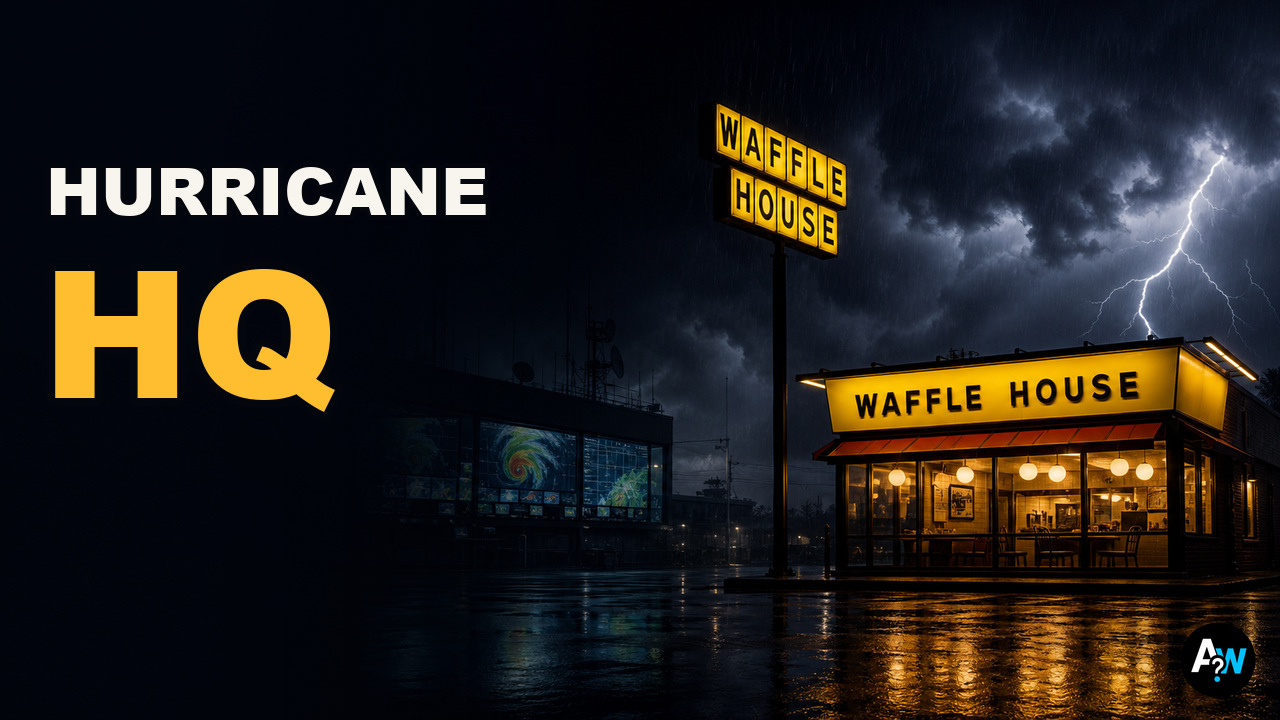
Why Does Waffle House Run Its Own Hurricane Command Center?
The breakfast chain turned an always-open promise into a disaster logistics system watched by emergency managers after major storms.
 002READ ↗
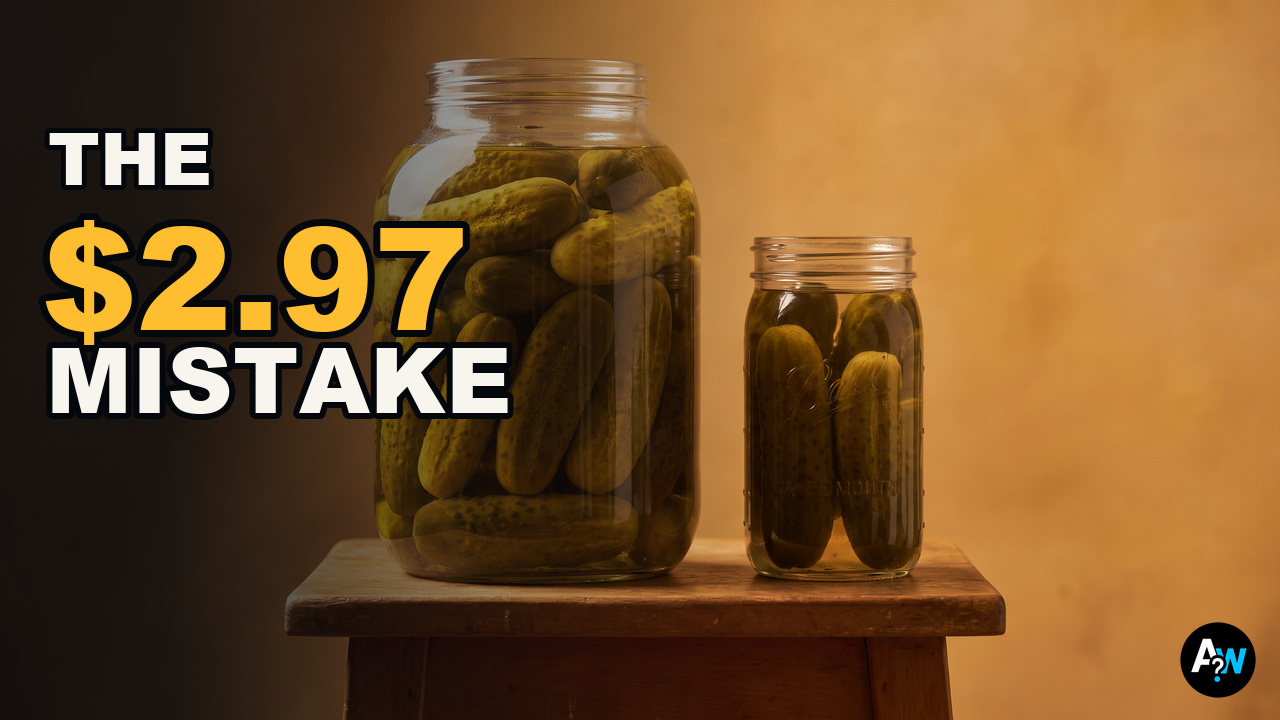
Why Did Selling Too Many Pickles Nearly Destroy Vlasic?
A gallon jar became a runaway bestseller while quietly crushing Vlasic’s margins, pricing power, and premium identity.
 001READ ↗
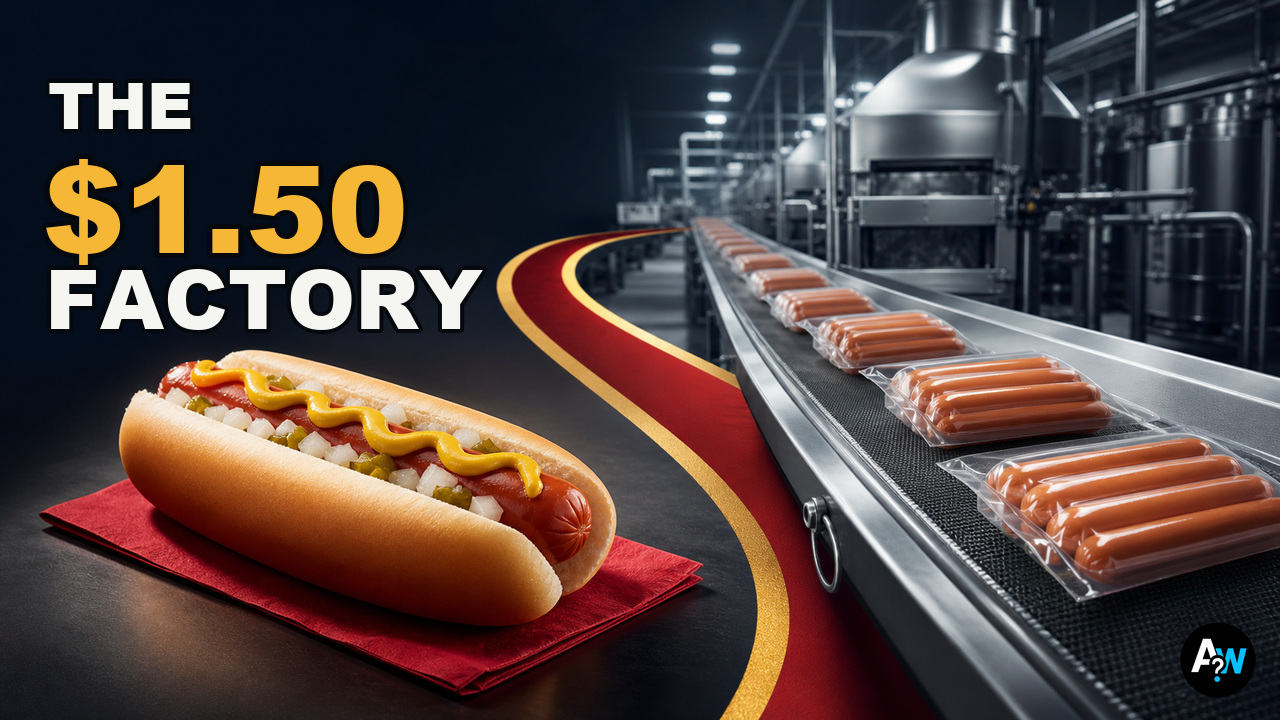
Why Costco Refuses to Raise the Price of Its $1.50 Hot Dog
Costco has held one famous price since 1985 by treating a food-court snack as a promise—and engineering the supply chain around it.